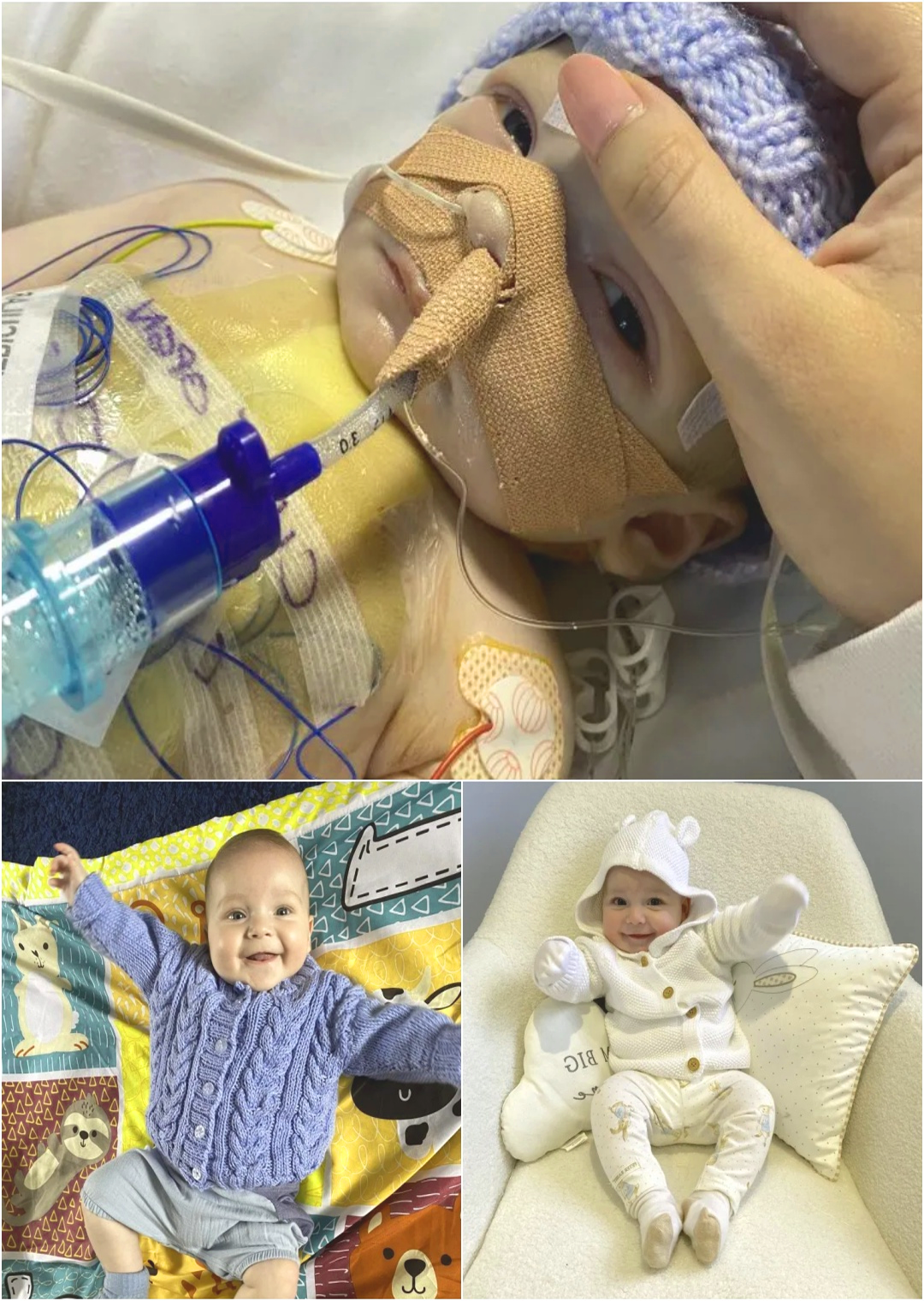
When Natalie went for her 20-week anomaly scan, she was expecting everything to go smoothly. The pregnancy had been progressing well, and she was excited to learn more about her baby. However, when the sonographer reached the heart, something unusual was spotted. An extra vein appeared to be present, and they were referred to the Fetal Medicine unit for further assessment. After a tense week of waiting, the family learned that Callan, their unborn baby, had a bilateral superior vena cava (SVC). While doctors assured them it wasn’t a major concern and that everything else looked fine, Natalie had no idea that this diagnosis would only be the beginning of a long and emotional journey.

Throughout her pregnancy, Natalie was reassured during her follow-up visits to Fetal Medicine. She was told that Callan would have a simple scan after birth and would be cleared without issue. Unfortunately, things didn’t go as planned. Callan was born via caesarean section on June 4th, and the family was sent home just days later, with everything seemingly normal. But within 10 days, Natalie began to notice that something was wrong. Callan’s breathing was fast, and he was vomiting after every feed, barely drinking any milk. Concerned, Natalie immediately called the cardiac nurse specialist and booked an echo for Callan.
The family took Callan to the children’s A&E, where they were told everything seemed fine. Despite the reassurance, Natalie’s gut told her something wasn’t right. The next day, she brought Callan back to the hospital, and what happened next felt like something out of a medical drama. While Callan underwent his echo, the medical team quickly realized something was seriously wrong. They informed Natalie and her partner that Callan was in heart failure and needed to be stabilized immediately in the
Intensive Care Unit (ICU). It was a terrifying moment for the family, as they had no idea what was causing his distress. The consultant prepared them for a long road ahead, warning them that surgery could be weeks away due to how ill Callan was.

As Natalie sat there, feeling like she was suffocating under the weight of it all, she couldn’t shake the anger and disbelief. How had this been missed during their three visits to Fetal Medicine? The next day, the family was told that Callan had
Coarctation of the Aorta (COA), a serious heart condition that narrows the aorta and restricts blood flow. The doctors also discovered that Callan had a bicuspid valve, though it was functioning well for the time being. Surgery was scheduled for just two days later, a relief after the uncertainty they had faced.
The day of the surgery was the longest day of Natalie’s life. With a racing heart and a mind full of fears, she and her partner anxiously awaited updates. When the call finally came, they rushed to the ICU, dreading the worst. But, thankfully, the surgery had been successful. Callan’s heart was repaired, and it was now time for recovery. After six days in the ICU, Callan was transferred to the ward for another week of care. The consultant who had initially thought Callan’s condition was far worse than it was came to visit, admitting he had been wrong about the prognosis. He was overjoyed to see how well Callan was recovering, especially considering they had been told he could be in the hospital for months.

At 15 weeks post-op, Callan is now thriving. He has regular cardiology check-ups, but the doctors are confident that he will lead a normal life. To anyone who looks at him now, it’s hard to believe that just months ago, he was fighting for his life. Natalie’s heart swells with pride as she watches Callan grow stronger every day.
While Natalie and her family are overjoyed with Callan’s progress, she feels a deep sense of loss and frustration over the traumatic journey they endured. She believes that early detection of heart defects is essential in ensuring that surgeries can be performed in a more controlled environment, reducing the risks for babies who may otherwise be sent home too early. Had they known about Callan’s condition before birth, they could have mentally prepared for the challenges ahead, avoiding the traumatic moments that came after he was discharged.
During their time in the hospital, Tiny Tickers became Natalie’s lifeline. Reading the positive stories about babies with COA gave her the strength and hope she needed to endure the darkest moments. It was through this community that Natalie found solace and connected with others who had gone through similar experiences. That’s why she is now so passionate about raising awareness for
pulse oximetry machines, which can help detect heart defects before a baby is discharged from the hospital. To help support this cause, Natalie is participating in The 125 Challenge, aiming to raise funds and spread awareness about the importance of early detection.
Callan’s story is a testament to the importance of early detection and the power of medical intervention
. Natalie and her family are eternally grateful for the doctors, nurses, and specialists who saved Callan’s life, and they are determined to ensure that other babies don’t have to face the same struggles. As Callan continues to thrive, they are committed to helping others by raising awareness and providing support for families in similar situations.